Best Orthodontic Treatment in Qatar
Orthodontic treatment is the branch of dentistry focused on diagnosing, preventing, and correcting misaligned teeth and jaws — a condition clinically known as malocclusion. Left untreated, issues like crowding, bite misalignment, or jaw discrepancies can affect chewing function, speech, jaw joint comfort, and long-term oral health, in addition to the appearance of your smile. At Reem Medical Center, we offer personalized orthodontic care tailored to each patient's unique needs.
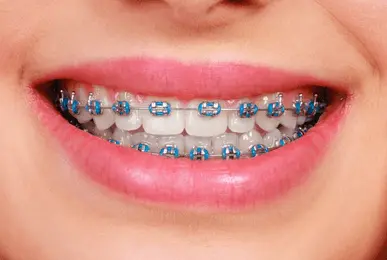
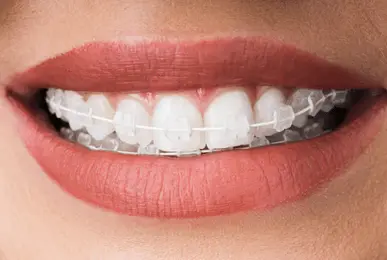
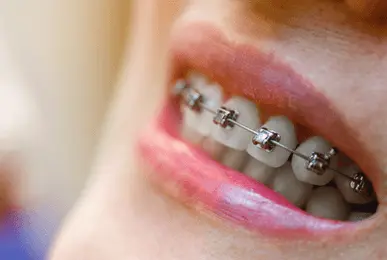
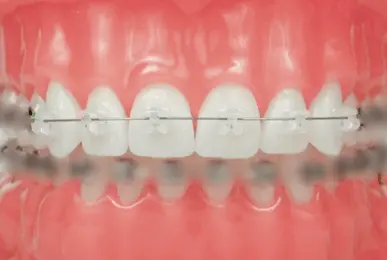
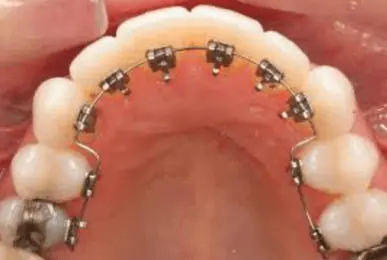
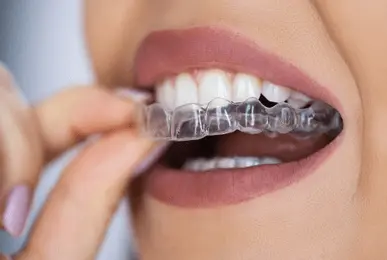
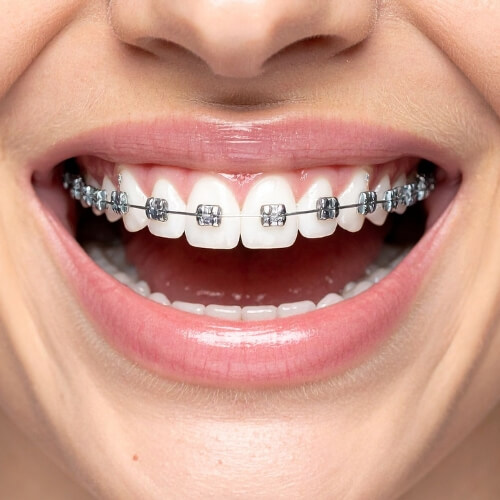
Our orthodontist, Dr. Priti Singh (BDS, MDS), is a member of the American Association of Orthodontists (AAO) and the World Federation of Orthodontists (WFO). She is dedicated to helping patients achieve straighter smiles and proper bite alignment, drawing on a full range of appliances — from traditional metal braces to ceramic, self-ligating, and lingual braces, plus clear aligners — so treatment is matched to your bite, budget, and lifestyle rather than a one-size-fits-all approach.
Do You Need Braces? Signs to Watch For
Not sure whether your bite needs correction? Common indicators include:
- Teeth that are crowded, overlapping, or twisted
- Visible gaps or spacing between teeth
- Upper and lower teeth that don't meet evenly when biting down
- Difficulty chewing or biting certain foods
- Jaw clicking, popping, or soreness
- Speech affected by tooth position
- Frequent cheek or tongue biting
- Mouth-breathing or a resting open-mouth posture in children
- A smile you feel self-conscious about
If any of this sounds familiar, an orthodontic evaluation can confirm whether — and how — treatment can help. The American Association of Orthodontists recommends a first orthodontic check-up by age 7, even while baby teeth are still present, so developing issues can be caught early while the jaw is still growing.
Common Orthodontic Problems We Treat
Malocclusion shows up in several distinct patterns. Orthodontists often classify bite relationships as Class I (jaws aligned normally, but with crowding or spacing issues), Class II (upper teeth or jaw positioned further forward, an overbite pattern), or Class III (lower jaw positioned further forward, an underbite pattern) — shorthand your orthodontist may use during diagnosis. Specific issues we treat include:
- Crowding :Insufficient space in the jaw for every tooth to erupt and sit properly, often leading to overlapping or rotated teeth.
- Spacing (diastema) :Visible gaps between teeth, caused by missing teeth, undersized teeth, or a jaw larger than the teeth require.
- Overbite :Excessive overlap of the upper front teeth over the lower front teeth, which can wear down enamel and strain the jaw joint over time.
- Underbite :A Class III pattern where the lower front teeth sit ahead of the upper teeth, often linked to jaw growth and sometimes requiring early interceptive care.
- Crossbite :One or more upper teeth sitting inside the lower teeth rather than outside, which can lead to uneven jaw growth or wear if untreated.
- Open bite :Upper and lower front teeth that don't touch when the back teeth are closed, often associated with thumb-sucking or tongue-thrusting habits in children.
- Impacted or unerupted teeth :Teeth — commonly canines — blocked from emerging into their normal position.
- Protruding teeth (overjet) :Upper front teeth extending noticeably beyond the lower teeth, which raises the risk of chipping or injury.
Left uncorrected, these issues can contribute to uneven enamel wear, gum recession, TMJ (jaw joint) discomfort, and difficulty cleaning between teeth — which is why early diagnosis matters as much as the cosmetic result.